
As a boy, I was given words to live by–scriptural touchstones I was to hide in my heart that I might not sin in the spiritual battle of life that then lay before me (Ps. 119:11). In this my elders obeyed scripture: “Train up a child in the way he should go; and when he is old, he will not depart from it” (Pr. 22:6)
The foundational truths they programmed were St. Paul’s. His main premise: “All have sinned” and “the wages of sin is death,” meant it was saviour Jesus or the lake of fire. Under this death sentence, I found comfort in the Bible for several years.
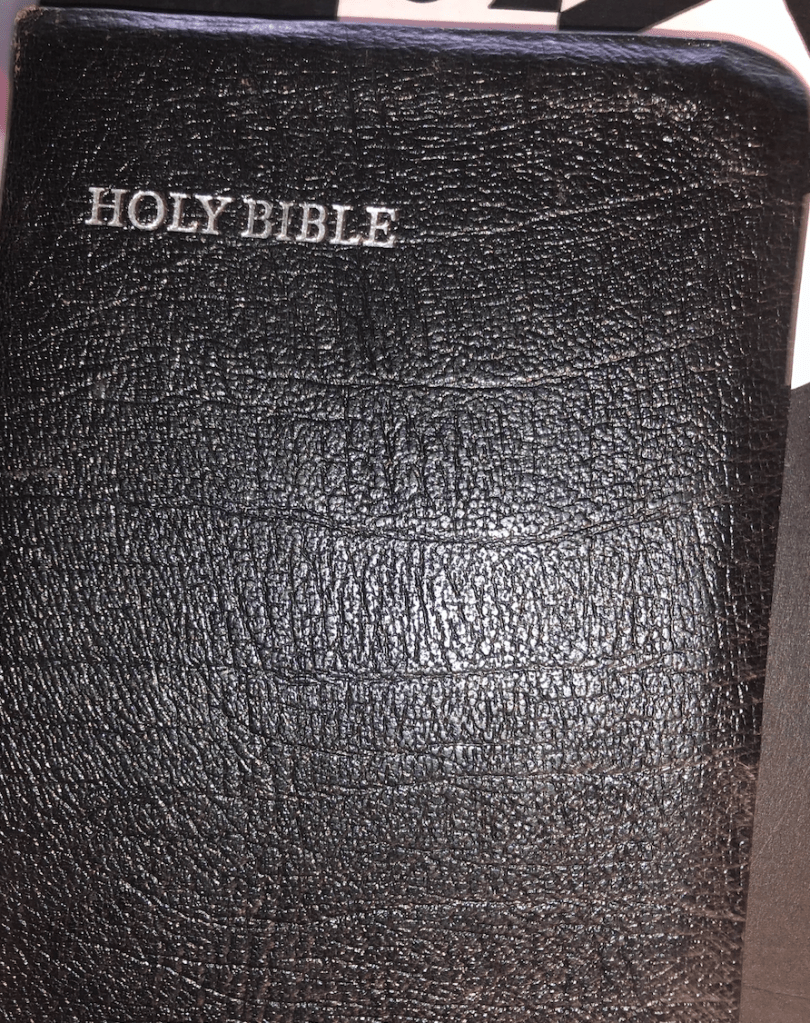
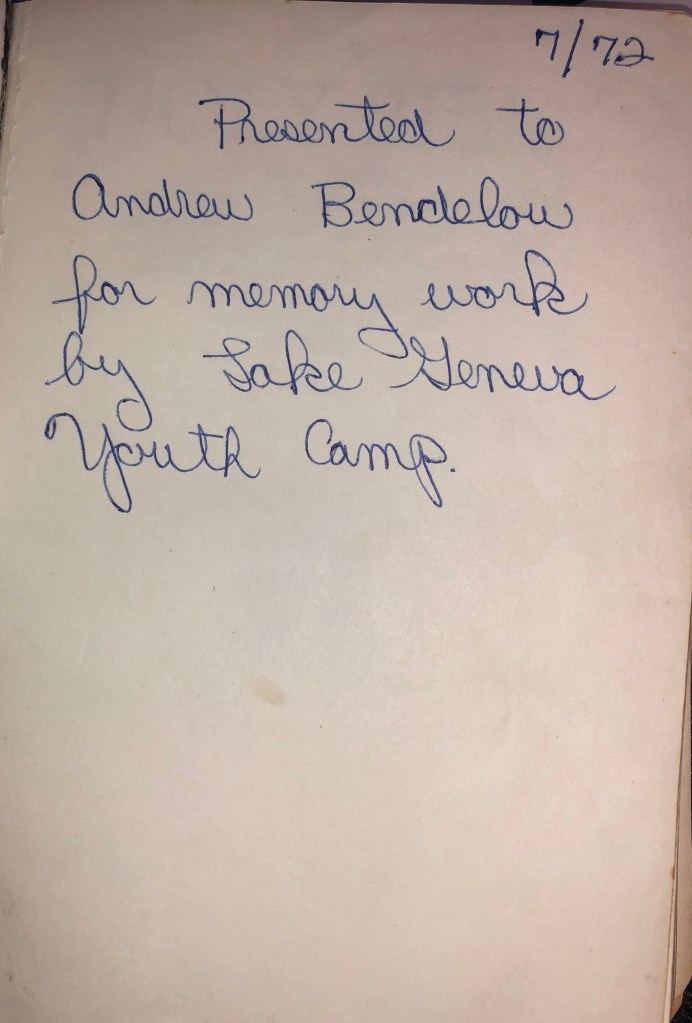
When I suffered under the burdens of my disfunctional family, I consoled myself with, “It is good for a man that he bear the yoke in his youth” (Lam. 3:27). When I was afraid, the 27th Psalm reminded me that “The Lord is my light and my salvation; whom shall I fear?” And when sensitive person me felt bitter disappointment, I could sigh, imagining my good shepherd’s care for “The Lord is nigh unto them that are of a broken heart and saveth such as be of a contrite spirit” (Ps. 34:18
But after age 10 or so, I began to pull loose from religious moorings. Other words, secular words, started to frame and explain life for me.
There were no models around me of people living what might be called authentic, artistic lives, but I found them in literature. Yes, a library challenged my faith. In fifth grade I read Irving Stone’s novelization of the painter Van Gogh’s story, Lust for Life (1934). In it a young Vincent describes love and faith in terms that felt accurate to me. I knew just what he meant when he said, “It’s so easy to love. The only hard thing is to be loved.” I learned that such suffering was to be expected, for “There’s no love without pain,” and “Knowing how to suffer without complaining is the only practical thing, it’s the great science, the lesson to learn, the solution to the problem of life.”
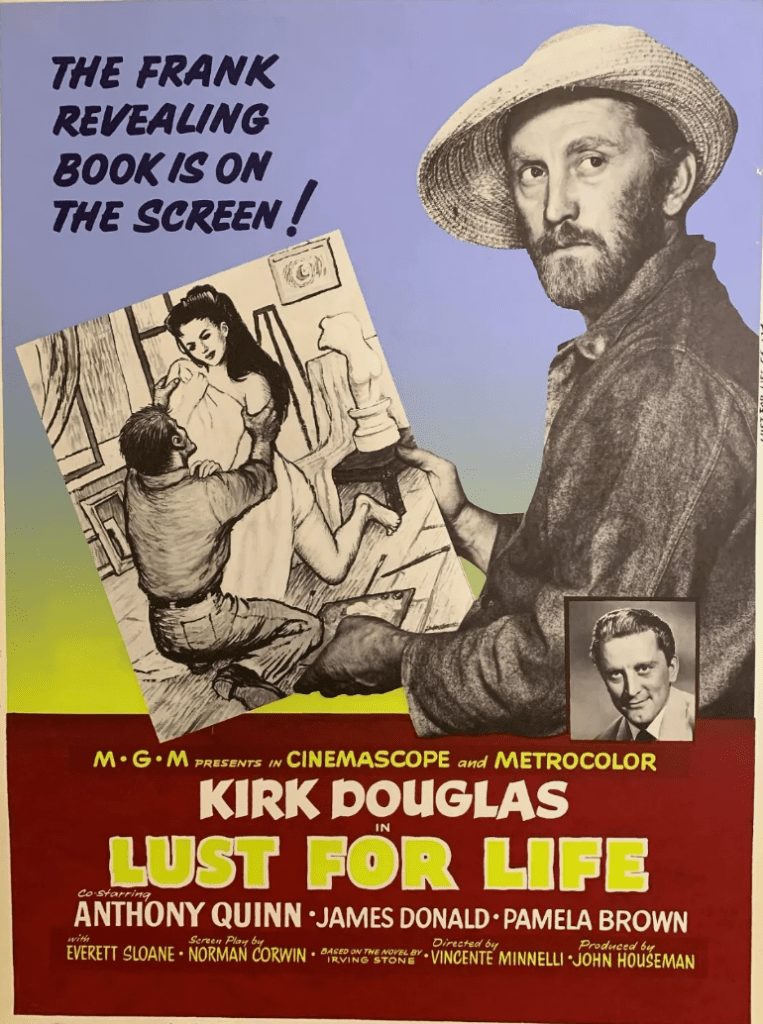
And Vincent’s rejecting Christianity prefigured my own. After attempting to evangelize the poor, VanGogh realizes that “all the talks about God are just childish illusion, just a lie that calms a scared and lonely … mortal in a dark and neverending night. There is no God. Sure as fate – there is no God. There is only chaos–dismal, painful, cruel, agonizing, blind, endless chaos.”
A certain melancholia sprang into my mind from these words. Nevertheless, I could not deny their truth..
Another, more positive voice offering ‘words to live by” came from my freshman football coach, Gary Olson. This muscle-bound bodybuilder would bark at us the motto he lived by, “No pain, no gain, boys!” His words pushed me to undertake more repetitions and harder courses, and still echo in my brain when I’m tempted to accept the easy way out.
Thanks Coach!
 The Wikiness
Leave a comment