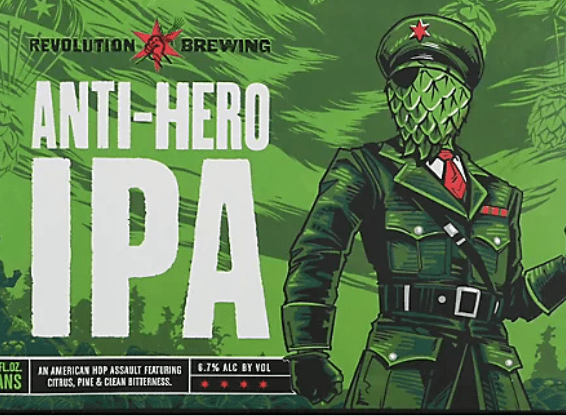
In the fall of 2022, about a year after I retired, I decided to disrupt my relationship with alcohol. Drinking had become automatic and was no longer working for me. My doctor threatened blood pressure meds if I couldn’t lower my hypertension, and cholesterol pills if I couldn’t improve my blood quality. So I decided to forgo my 2-3 beers a day.

I expected becoming a “teetotaler” would make life duller, and I would be less fun and interesting. I imagined my remaining years as unsatisfying, missing out on life’s fullness. Watching mom in her recovery, I learned as a boy that an abstinent adult was sentenced to a daily struggle to maintain sobriety. “One day at a time” meant that if you had a drinking problem, you had a simple choice, it was the group, or it was misery and death. AA meetings anchored mom’s social life. She clung to them as a life-preserver, and humbly introduced herself as diseased at each meeting (“Hello. My name is Patty and I’m an alcoholic…”) lest she forget her damaged condition and relapse again. Each sober day was because of the group and its higher power. I supposed that quitting alcohol would mean being addicted to AA or something similar, and that was going to suck.
With a sigh, I determined to eschew alcohol for the first time since I was 17.
I had two important resources mom lacked: the Reframe app with its lessons and virtual communities, and a book called This Naked Mind by Annie Grace. Both explained how ethanol hijacks the dopaminergic system and makes a body want to drink, despite toxic effects and repellent taste. Notwithstanding my relatively high level of function and health, I began to see how my beloved IPAs had insidiously been subverting my well-being. The book and app also prepared me for the physical and mental changes a suddenly sober person could expect.
After two weeks of abstinence, I was sleeping deeper and longer, waking up more refreshed. I was “regular,” and because of higher quality sleep, I had energy. After three weeks, I noticed my memory and wits improving. My mood was lightening.
By the end of the first month, I felt a self-confidence that I hadn’t before. After two months, my anxiety was quieted, and I began to confront unpleasant tasks, thoughts, and feelings with more equanimity. My brain chemistry, unshackled from a decades-long, daily toxic disruption, had started to act naturally.
By the end of the third month, my clothes weren’t fitting. Without effort, my body shed useless pounds of visceral fat stored in my gut and surrounding organs. At month six, I had lost 40 pounds and dozens of blood pressure points. With all the time and energy saved from drinking,I established a workout routine that I actually looked forward to.
Most surprisingly of all, a huge chunk of mental real estate had been ceded back to me, the chunk that had unconsciously and constantly been thinking about drinking, or thinking about not drinking.
Looking back on two years of data, I’m gratefully amazed by how many positive effects have arisen from this one change in my habits. Rather than losing life’s fullness, I’ve gained in awareness and capability. A cascade of physical, mental, and spiritual benefits, often synergistic virtuous cycles, are what I now enjoy–as far as can be from the grim survivor’s life I’d predicted for myself post-alcohol.
 The Wikiness
Leave a comment