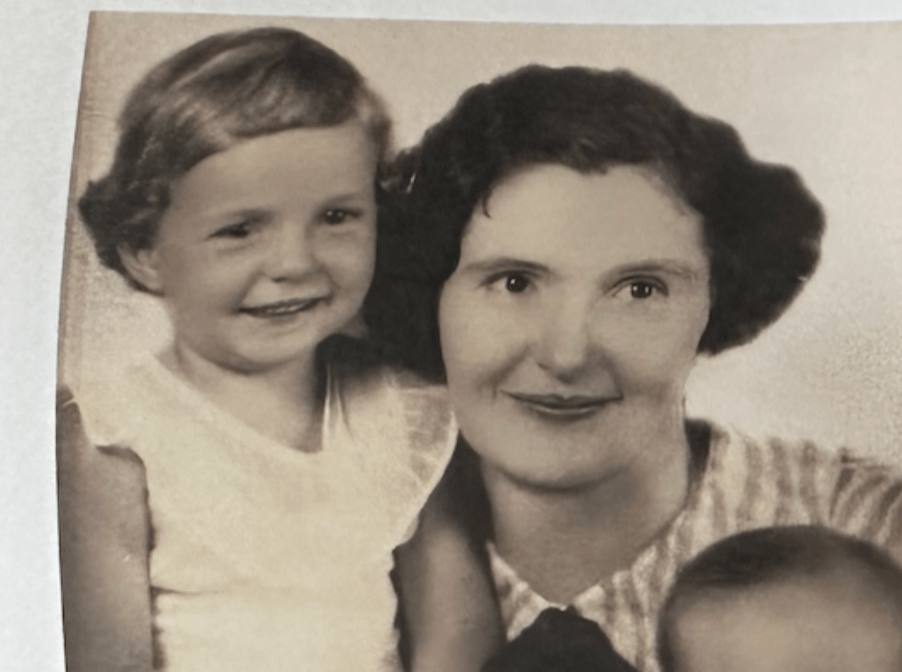
When I was 12, Mom had been pretty incapacitated for the last decade. We younger kids didn’t learn her prejudices until she got sober, her personality melting out of a frozen block of vodka. Turns out, she harbored some downright racist ideas. She held un-generous feelings towards African-Americans, sorting them all into two camps–the uneducated, vulgar majority Chicago had been dealing with since the Great Migration–the sort of negro living on welfare in gang-run CHA apartment complexes–demoralized, debauched, and sub-human. And then there were the few– the well-educated, well-mannered blacks–”nice” men like Sammy Davis, Jr., or Harry Belafonte. Somehow, their dark skin didn’t frighten you.
Perhaps because of his musical voice and the way he leaned on the scriptures at the center of Mom’s values, Dr. Martin Luther King, Jr. was in the “safe negro” category. She claimed she would have marched with him if he’d ever come to Chicago. Of course, he did, but she missed it. That was in 1966, when MLK spent months working for fair housing and decent schools and had bricks thrown at him by whites in Marquette Park. Mom only praised his work when she was sober, and he was six years safely dead.
Mom was a daughter of the Deep South, the granddaughter of grandparents serving the Confederacy. Her grandmother Anna Fontaine Thomson Colgin was born during the Civil War. According to my aunt, Anna was a southern lady “fighting the war till the day she died in 1954. She told the story of her family not having anything to eat except a chicken, which they hid under the house. When the Yankees came, they found it, and from then on ‘DamnYankee’ became one word.”
Mom’s grandfather, Dr. George James Colgin, was a surgeon for the slaveholders. According to his obituary in a New Orleans paper, Dr. Colgin took stock of his situation when the “second war for independence” was lost and “…he came to New Iberia [Louisiana] in January 1869, with a large family to repair his fortune. He succeeded remarkably well, and leaves his family a good home and a name which they may well feel proud of.”
My grandfather Rufus Colgin–Mom’s dad–managed an oil well manufacturer in Tulsa, Oklahoma, home of one of the most egregious episodes in America’s racial history. In a whites-only neighborhood, my mother grew up imbibing a strong sense of privilege and an equally strong fear of black Americans.
What impressed my sisters and me was Mom’s inability to accept blacks as her equals. It was as if the entire Civil Rights Movement hadn’t occurred for her. A few years into her sobriety, Mom got a job as a secretary downtown, and one of her co-workers, an African-American woman named Emma, became her workplace nemesis. Mom would complain to us about Emma’s lack of civility, work ethic, and, worst of all, the pungent smell of her cheap perfume,.
During the 1991 confirmation hearings for Clarence Thomas, Mom’s prejudice is plainly stated in a letter to her sister Ruthie: “Did you watch the hearings over the weekend?,” she wrote. “I had a hard time dragging myself away–mainly I was so happy to see so many well-educated, articulate [emphasis added] blacks–so different from the ones I work with every day (like Emma).”

Alas, Mom’s bias persisted until she died, two months later. And guess who showed up at her visitation? An elegant woman who had only kind things to say about her co-worker. This was Emma, who couldn’t be accepted as fully human in Mom’s mind.
 The Wikiness
Leave a comment